Artificial Intelligence and Audio: Empowering People with Disabilities to Explore the Internet
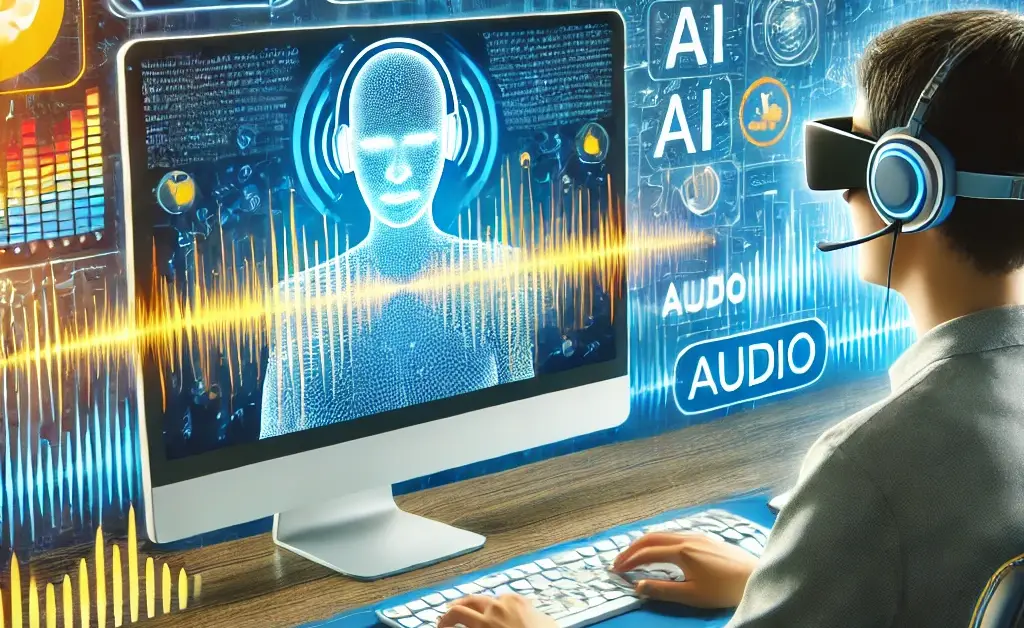
Artificial Intelligence and audio technologies are transforming the way people with disabilities interact with the internet, offering greater accessibility and an enhanced online experience. For individuals with visual impairments, mobility challenges, or cognitive disabilities, AI-driven solutions are breaking down barriers, making digital content more navigable and engaging.
Screen readers, powered by AI, are one of the most prominent tools for people with visual impairments. These programs analyze the content of web pages and convert it into audio or Braille output. AI enhances this process by providing more accurate descriptions of complex images, diagrams, and even video content, which were previously difficult or impossible to interpret. This allows users to have a richer and more complete understanding of online material, from news articles to social media posts.
Voice command technologies, such as those found in virtual assistants like Siri and Google Assistant, empower people with physical disabilities to browse the internet hands-free. AI enables these systems to understand natural language, offering a seamless experience where users can search, discover new content, and control their devices through voice alone.
For individuals with cognitive disabilities, AI can personalize audio content, making it easier to process information. By adjusting the speed of audio playback or simplifying complex language, these technologies help users stay engaged with digital content that might otherwise be overwhelming.
In summary, AI and audio technologies are critical tools in making the internet more accessible for people with disabilities. By offering tailored solutions that enhance navigation and content discovery, these innovations ensure that the digital world is inclusive for all.